
Finding meaning and balance in everyday life – a key to health
Highly educated women with several children often feature in statistics on stress-related sick leave. But a new doctoral thesis from Halmstad University shows that the explanation is not gender, education or family situation – but rather how we create meaning and balance in everyday life. An important key to health is understanding that it is not only about what we do, but also about how and why we do it.
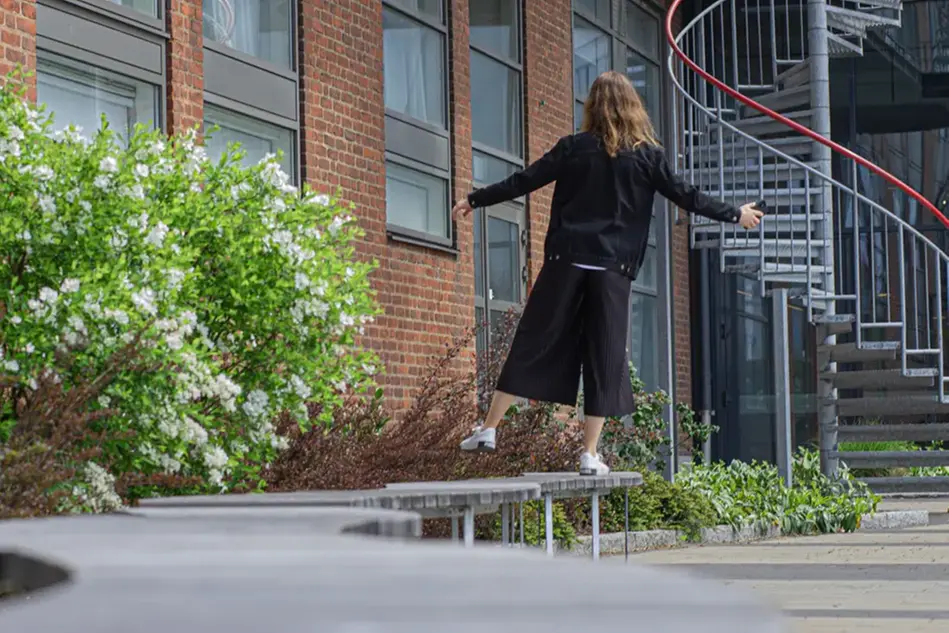
“It’s about becoming more aware of the activities that make up our everyday lives and the value they hold. Do I do this because it makes me feel good and I enjoy it, or simply because I feel obliged to? That kind of awareness can be crucial for finding balance.”
Louise Karlsson
Statistics from the Swedish Social Insurance Agency have long identified highly educated women with more than three children as a risk group for stress-related ill-health. Louise Karlsson’s research, however, reveals that the connection is more complex.
“It’s not the number of children you have or your level of education that matters most. It’s the balance between activities that drain your energy and those that replenish it. Without recovery, the risk of stress and ill-health increases”, says Louise Karlsson, who recently defended her doctoral thesis at Halmstad University.
The study shows that imbalance in everyday activities – rather than sociodemographic factors – is linked to ill-health. People with few activities that gave them meaning, belonging or a sense of identity faced a higher risk of stress-related problems.
“It’s about becoming more aware of the activities that make up our everyday lives and the value they hold. Do I do this because it makes me feel good and I enjoy it, or simply because I feel obliged to? That kind of awareness can be crucial for finding balance”, says Louise Karlsson.
‘Flex-ability’ – a key resource
To better understand and manage the demands of everyday life, Louise Karlsson introduces the concept of flex-ability. It describes the ability to shift focus and adapt as roles and circumstances change.
“We live in an age of rapidly shifting roles and demands. To manage, we need to be able to adapt and maintain balance in everyday life. Flex-ability is a resource that can be developed both individually and within organisations, giving us better tools to handle the complexity of life”, says Louise Karlsson.
The findings also highlight the central role of managers in employee health. Supportive and attentive leadership can contribute to greater balance in everyday life:
“A manager can make far more of a difference than one might think. When leaders show an understanding of employees’ lives outside of work and build a culture of joy, belonging and flexibility, the chances of balance increase.”
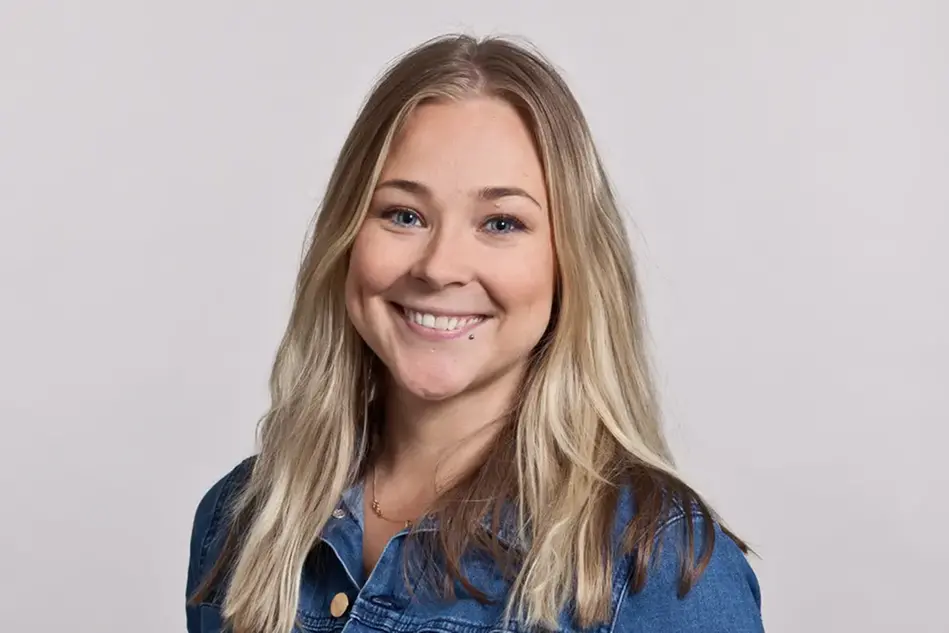
Louise Karlsson defended her doctoral thesis in September 2025.
Collaboration with Region Sörmland
The research behind Louise Karlsson’s thesis was carried out in collaboration between Halmstad University and Region Sörmland. Petri Olivius, Director of Clinical Research, and Anna Ormegard, Head of Division for Primary Care, Region Sörmland, see great potential in the results.
“We find Louise’s research highly interesting and exciting, and it has the potential to help many patients in Region Sörmland”, says Petri Olivius, noting that the research also mirrors today’s reality.
“What I find particularly interesting is how Louise weaves together working life and private life into a whole, which many employees can relate to. This is especially true as digital meetings have made it easier to bring work into the home. It is encouraging that, through the concept of ‘flex-ability’, she has identified a path towards sustainable balance in both work and private life.”
Health as a shared responsibility
A key conclusion in the thesis is that sustainable health requires efforts at several levels.
“It is a shared responsibility that demands action from the individual, the work group, the organisation and society at large”, says Louise Karlsson, adding:
“If we do not feel well at home, how can we expect to feel well at work – and vice versa? Recognising this connection, and working with activity patterns and values, is crucial to a sustainable lifestyle.”
Text: Hilda Liberg and Lovisa Essunger
Photo: Ida Fridvall, Magnus Karlsson
